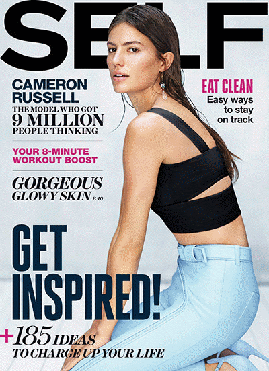
 My magazine has conformed to most magazine conventions such as having one main object in the middle and text surrounding it, the text is appropriate to the magazine and gives the reader information about the inside content, the main heading is behind the model on the cover which can be found on a few magazines. The contents page i believe to be unconventional as i used a brick wall as my background and attempted to make it appear as though the writing was wrote across the bricks and around the model in the middle. I could not find any magazine contents that had done something like this, apart from that i could not find an example of an unconventional contents page as they all have similar layouts as they have to include what pages contain which articles. The content within the two page spread contains an interview and multiple images of my model which is conventional, i have conformed to the typical layout of the interview too because it's easy to understand and follow what the question is as it's highlighted in red and the answer is in white, making it coherent and not too complicated. In this way the magazine i have created is quite conventional. However there are a few things i have done which i believe have challenged typical media conventions such as including what the model is doing during the interview, which i could not find in any other interview and which i believe gave my interview a more personal touch which was more interesting. I also chose a colour and style which might not be associated with the genre i have created, as not many rock magazines will have the colours blue and white, i believe this challenges the forms but also works well on my magazine. Here is "SELF" magazine which i believe to have the same conventional style mine has. The model overlaps the main title, They are surrounding with text from the magazine. It also has a white background which many music magazines do. My first draft of my front cover challenged this more than my final version as my first draft had text covering the majority of the page. However after i got feedback from my peers i found out nobody liked this unconventional approach to my magazine and so i cleared it up and only added important and the most important extracts of the magazine. This is an example of media conventions that i feel shouldn't be challenged because they can cause a negative effect on my magazine.
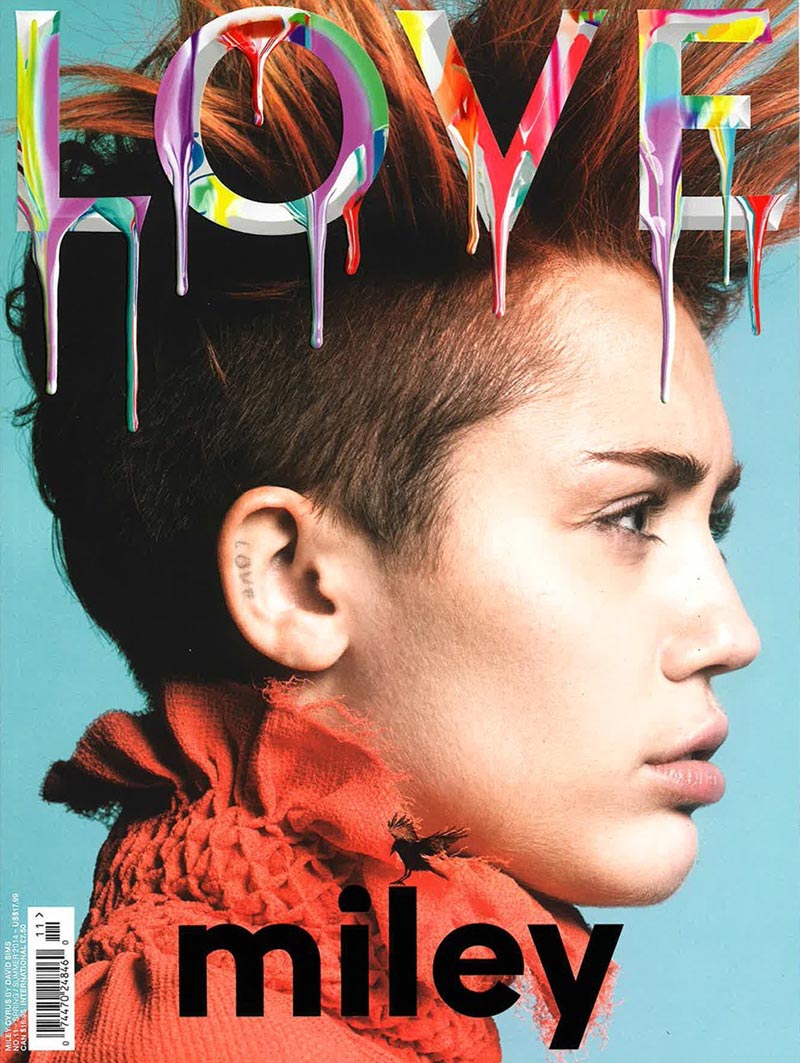 I researched unconventional magazine covers and found that the majority of them were of one image, striking enough to be the only thing on the page along with the name of the magazine. I felt however this wouldn't have worked for my magazine as the genre of my magazine is lighthearted rock, and a single striking image gives a more serious tone to the magazine which i feel would have affected the target audience i would appear to be appealing to. I also feel like the images i collected were not striking enough to be the sole image on the cover, and that text around him made the image look much better as it conforms to typical magazine covers. This is an example of an unconventional magazine cover, with Miley Cyrus on the cover of LOVE magazines cover, it's a close up, side shot of her face and colorful hair which striking enough image to fill the page. I feel my model would not have been able to achieve this type striking image as the majority of my shots were medium and the close up's weren't striking enough to fill an A4 page and be the only thing supposed to draw people in. The two page spread was originally going to be created in this way. With one image in the centre with the interview surrounding it which would make it more unconventional. However i felt the image was not striking enough and could be seen as boring so i included my other images i took which shows him in different clothes and locations which i believe makes it look more realistic and much more interesting, it also looks more like a real media product.
Overall i feel my magazine has not challenged many media conventions, but i feel this is a good thing as challenging too many media conventions can be risky as they're not guaranteed to come across well with your target audience and be purchased if they were real media products. The conventions i did attempt to challenge were not well received with my audience when i gave feedback, so i changed the aspects they did not appeal to and now i'm sure they'll like the product i have created.

No comments:
Post a Comment